
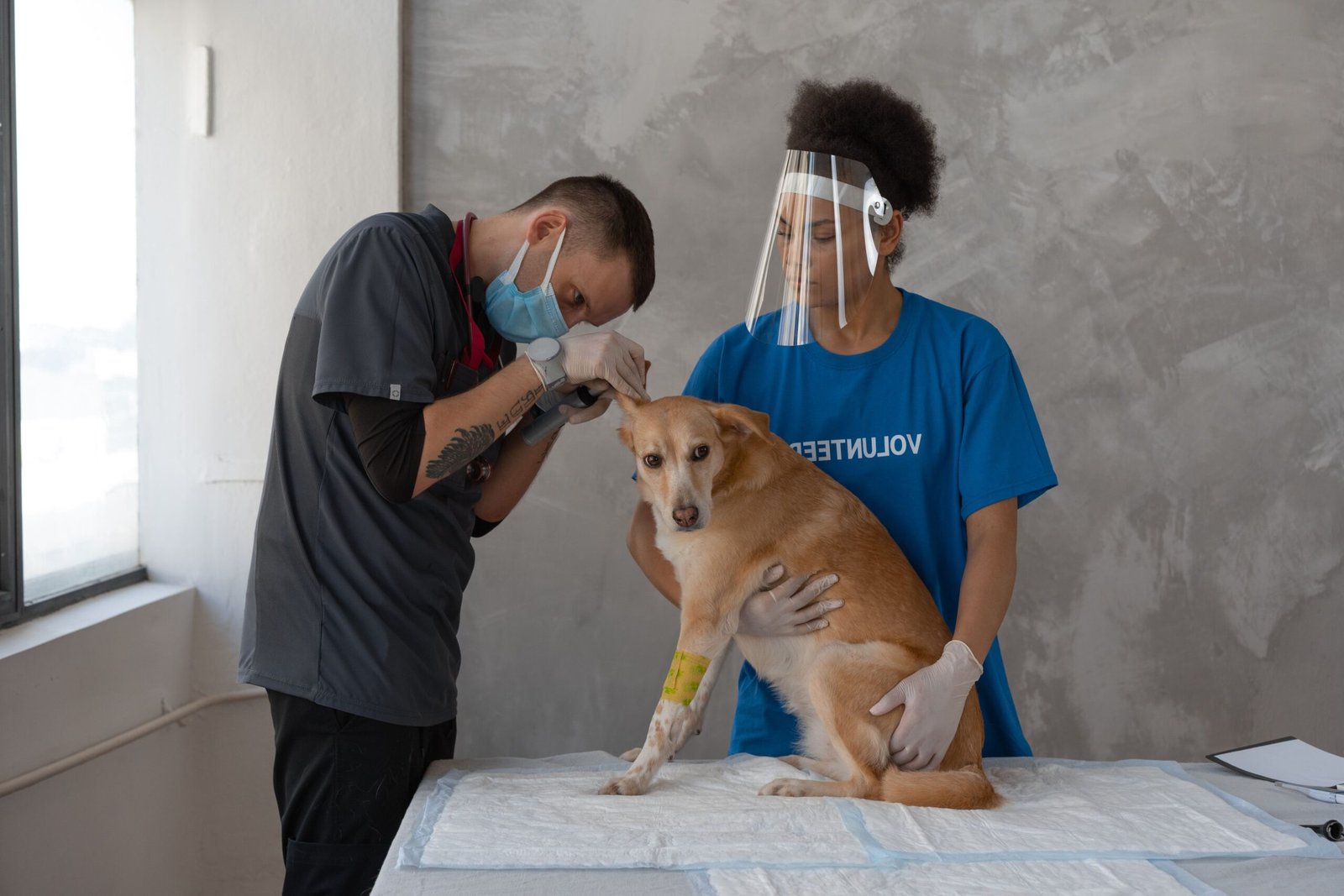
Let me tell you what nobody warns you about when you get a pet: the medical bills can be absolutely brutal.
My friend Rachel got a beautiful Labrador puppy named Bailey. She was so excited. She loved that dog more than anything.
Then Bailey turned 4 years old and started limping.
She took Bailey to the vet. The diagnosis: hip dysplasia (basically the hip socket didn’t develop properly).
The vet said Bailey needed surgery. Total cost: $7,500.
Rachel was shocked. “For what? To fix a hip?”
Yes. $7,500 to fix a hip.
But then the vet said something that made it worse: “If you don’t do surgery, Bailey will be in increasing pain. Eventually she won’t be able to walk.”
So Rachel had a choice: spend $7,500 now, or watch her best friend suffer for the next 5+ years.
She did the surgery.
But here’s what makes me mad about this story: if Rachel had known hip dysplasia was coming, she could have done preventative things (joint supplements, controlled exercise, maintaining healthy weight) that might have delayed it or prevented it entirely. That would have cost like $500-1,000 total.
Instead, she paid $7,500 for emergency surgery.
This is the story of pet ownership that nobody tells you. You don’t think about it until it happens. Then it’s too late to prevent it.
So I’m going to tell you about the common pet health issues, how much they actually cost, and what you can do to prevent them.
The Most Common (And Expensive) Pet Health Issues in USA
Let me break down the most common conditions I hear about, what they actually cost, and whether they’re preventable.
Hip Dysplasia (Dogs – Especially Large Breeds)
What it is: The hip joint doesn’t develop properly. The ball and socket don’t fit together right. Causes pain and arthritis.
Who gets it: Large breed dogs (German Shepherds, Labs, Golden Retrievers) are prone to this.
Symptoms you’d notice:
- Limping or favoring one leg
- Difficulty getting up from lying down
- Not wanting to jump or play
- Visible pain
Costs:
Surgery (Femoral Head Ostectomy): $3,500-8,000
Surgery (Total Hip Replacement): $8,000-12,000
Conservative treatment (rest, medication, supplements): $500-2,000/year
If you do nothing: Your dog suffers for years, eventually can barely walk. Quality of life decreases.
Prevention: Keep your dog at healthy weight, give joint supplements, controlled exercise. Costs: $500-1,500 total over lifetime.
My take: If you get a large breed dog, start joint supplements from puppyhood. It’s cheap insurance.
Urinary Blockage (Cats – Especially Males)
What it is: The urethra (pee tube) gets blocked, usually by crystals or mucus. The cat can’t pee.
Who gets it: Male cats more than females (narrower urethra).
Symptoms you’d notice:
- Frequent trips to litter box with no pee
- Straining
- Crying in pain
- Not eating
Costs:
Emergency ER visit: $1,500-3,000
(This includes catheterization to unblock, fluids, monitoring, tests)
If it gets worse and kidneys fail: $5,000-10,000+
If you do nothing: The cat dies. Seriously. Urinary blockage is life-threatening.
Prevention:
- Feed wet food (more hydration)
- Encourage water drinking
- Keep litter box clean
- Feed quality diet (not cheap dry food)
- Costs: Maybe $50-100/month more than cheap food
My take: This is one where prevention is crucial. Feed your male cat wet food and monitor his litter box habits.
Torn ACL/Cruciate Ligament (Dogs)
What it is: The ligament that stabilizes the knee gets torn (usually from jumping or running).
Who gets it: Any dog, but larger dogs more often.
Symptoms you’d notice:
- Sudden limping (sometimes on back legs)
- Not putting weight on leg
- Yelping when jumping
- Reluctance to play
Costs:
TPLO Surgery (most common): $2,500-4,500
Conservative treatment (rest, medication, supplements): $500-1,500/year for years
If you do nothing: Permanent limp, chronic pain, possible arthritis developing in that knee.
Prevention: Keep dog at healthy weight, avoid excessive jumping, strengthen leg muscles with exercise.
My take: This one is tough because it’s often an accident. But keeping your dog lean and fit reduces injury risk.
Cancer (Dogs and Cats)
What it is: Tumor growth. Can be in any organ.
Who gets it: Older pets (though can happen at any age).
Common types:
- Mast cell tumors (skin)
- Hemangiosarcoma (blood vessel)
- Lymphoma (cancer of immune cells)
- Osteosarcoma (bone cancer)
Symptoms: Depends on type. Weight loss, lethargy, vomiting, lumps.
Costs:
Diagnosis (biopsy, imaging): $1,000-3,000
Chemotherapy: $5,000-15,000+ (multiple treatments over months)
Surgery: $2,000-5,000
Radiation therapy: $5,000-10,000
Total treatment: $10,000-30,000+ depending on type and aggressiveness
If you do nothing: Depends on cancer type, but often terminal within weeks to months.
Prevention: Early detection is huge. Regular vet checkups can catch cancer early when it’s most treatable.
My take: There’s no perfect prevention, but keeping your pet at healthy weight, good nutrition, and regular vet visits help. And if you catch it early, treatment is more successful.
Diabetes (Dogs and Cats)
What it is: Pancreas doesn’t produce enough insulin, so blood sugar gets too high.
Who gets it: Overweight pets, older cats, certain breeds.
Symptoms:
- Increased thirst
- Increased urination
- Weight loss despite eating
- Lethargy
Costs:
Diagnosis: $500-1,000
Insulin injections: $30-100/month (for life)
Monitoring (vet visits, blood tests): $300-500/year
Special diet: $50-100/month
Lifetime cost: $10,000-20,000+ (these pets often live 5-10+ years with treatment)
If you do nothing: Your pet gets very sick, goes into diabetic coma, dies.
Prevention: Keep pet at healthy weight, feed quality diet, exercise.
My take: This one is often preventable through weight management. Obese pets have way higher diabetes risk.
Chronic Ear Infections (Dogs, Especially Floppy Ear Breeds)
What it is: Bacterial or yeast infection in the ear canal. Often recurrent.
Who gets it: Cocker Spaniels, Labs, Goldens, other dogs with floppy ears.
Symptoms:
- Head shaking
- Scratching ears
- Bad smell from ears
- Visible discharge
Costs:
Per infection treatment: $200-500
If chronic (multiple times per year): $1,000-3,000/year
Some dogs need surgery to reduce ear canal: $2,000-4,000
If you do nothing: Chronic pain, possible permanent hearing loss, infection spreads to deeper ear structures.
Prevention:
- Keep ears clean and dry
- Regular grooming
- Address allergies (often the underlying cause)
- Costs: $50-150/month
My take: If your dog has floppy ears, budget for ear maintenance. It’s cheap compared to chronic infections.