By Saim | Last updated: September 2026
For years, the internet couldn’t agree on what Apple’s foldable phone would even be called. iPhone Fold. iPhone Ultra. Half the leak accounts were arguing about it right up until the actual event. Then Apple walked out and just called it the iPhone Duo, and honestly, once you see what the outer screen actually does, the name makes more sense than either of the guesses did.
Apple officially unveiled the iPhone Duo on September 9, 2026, alongside the iPhone 18 Pro and Pro Max. It’s Apple’s first foldable phone, ever, after years of watching Samsung and others have the category basically to themselves. Pre-orders open October 16, with the phone shipping October 23 — noticeably later than the Pro models, which hit shelves September 18.
The Basics: What Kind of Foldable Is This
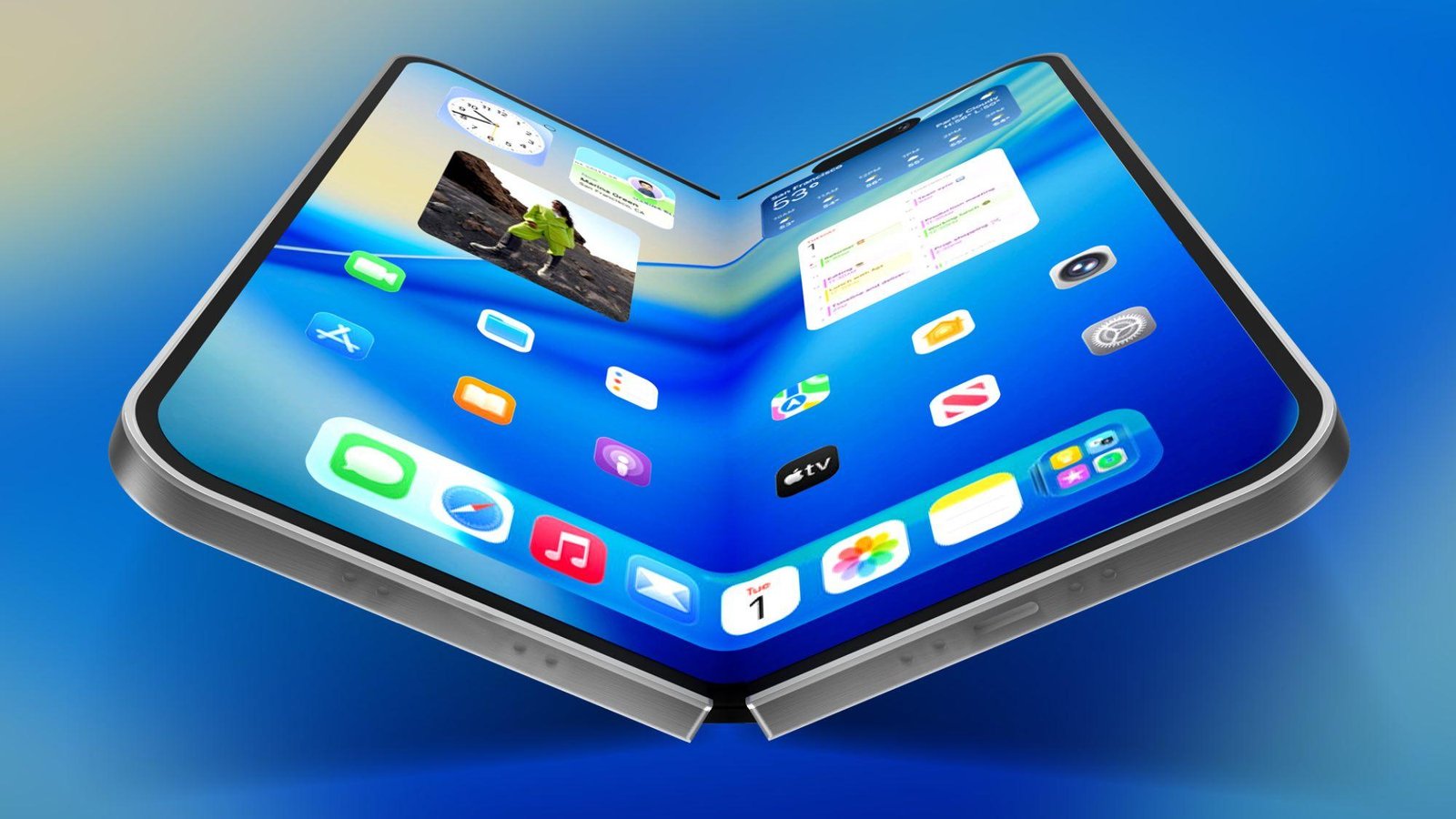
The Duo is a book-style foldable, similar in concept to Samsung’s Galaxy Z Fold line — it opens like a small book or passport, going from a smaller outer screen to a larger inner tablet-style display when unfolded.
Unfolded, you get a 7.6-inch inner display. Folded shut, the outer screen measures 5.4 inches, sized close to a normal phone so it’s still usable one-handed when closed. Both screens are Super Retina XDR displays running ProMotion (adaptive refresh rate) and hitting peak brightness of 3,000 nits outdoors, which is genuinely bright, even by current iPhone standards.
Starting price is $1,999 for 256GB, making it the most expensive iPhone Apple’s ever sold, with storage options going up from there.
The Crease — Apple’s Actual Claim
Every foldable phone on the market deals with some version of a visible or tactile crease down the middle of the inner screen, where the display folds. It’s been the defining weakness of the entire foldable category for years now.
Apple’s approach here uses a nano-texture finish on the inner display specifically to minimize how visible the crease is, combined with custom adhesives designed to relieve bend stress within the display layers themselves. Worth being straightforward about this — a completely invisible, untouchable crease hasn’t really been achieved by anyone in the foldable space yet, Apple included, based on what’s been demonstrated so far. Apple’s claiming meaningful improvement here, not complete elimination, and how it actually feels in daily use is something that’ll become clearer as more hands-on time with the device happens.
Build Quality and Durability
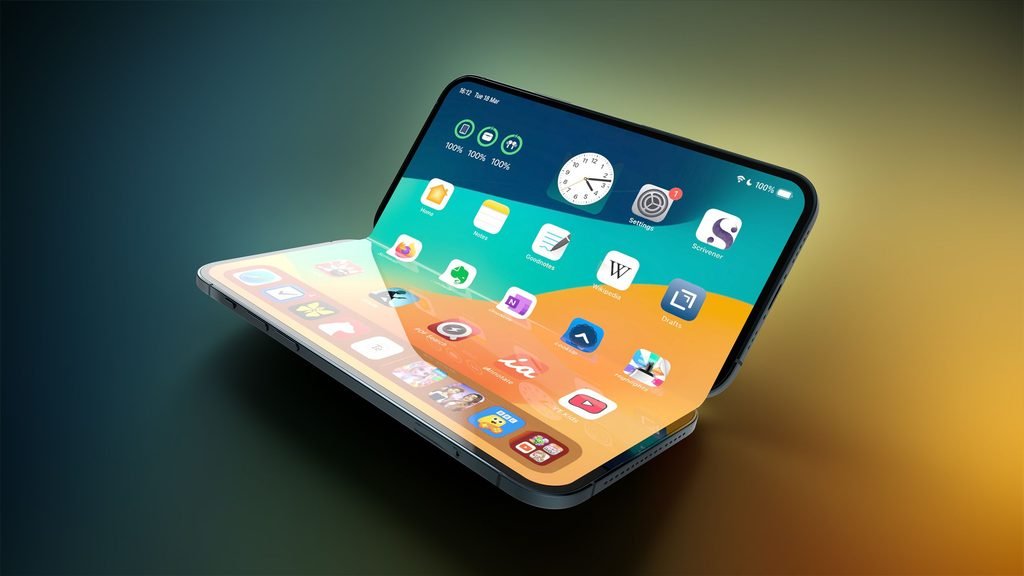
The enclosure is grade 5 titanium, with a 3D-printed titanium hinge cover — a serious materials choice that signals Apple’s leaning into durability given how much stress a folding hinge takes on over years of daily use.
Ceramic Shield 2 protects the outer display, Ceramic Shield (the standard version) covers the back, and the inner foldable display uses a polymer cover layer with a scratch-resistant coating, since foldable inner screens generally can’t use rigid glass the way a normal phone screen does.
The whole device carries an IP68 rating for dust and water resistance, rated to 6 meters for up to 30 minutes. This is a notably harder engineering problem on a phone with a hinge than on a traditional sealed slab phone, so it’s a meaningful durability claim if it holds up in real-world use.
The Outer Screen Isn’t Just a Mini Home Screen
This is genuinely the most distinctive part of the Duo compared to other foldables on the market. A lot of competing foldables treat the outer display as basically a shrunken-down version of a normal phone’s home screen — check notifications, maybe reply to a text, not much else.
Apple built four specific camera-related features around the Duo’s outer screen instead:
Duo Preview turns the outer screen into a live viewfinder facing the person you’re photographing, so they can actually see the shot they’re framed in — useful for anyone who’s ever tried to get a good group photo without a designated photographer.
Kid Cue plays animations on the outer screen specifically designed to pull a young kid’s attention toward the camera — a genuinely practical solution to the universal parenting problem of getting a toddler to actually look at the camera.
Smart Take watches the frame through the outer screen and automatically fires the shutter when it determines everyone’s ready — timing the shot without you needing to count down or guess.
Duo FaceTime lets someone standing next to you join a FaceTime call directly through the outer screen, without needing to be looking at the main display.
Camera System
The Duo runs a 48MP Dual Fusion camera system — a 48MP Fusion Main camera that also delivers a 2x optical-quality zoom, paired with a 48MP Fusion Ultra Wide. Notably, there’s no telephoto lens on the Duo, unlike the Pro and Pro Max models, so if a dedicated zoom lens matters a lot to how you shoot, that’s a real trade-off to weigh against the Duo’s other features.
For selfies, there’s a 12MP Center Stage camera, plus a separate under-display FaceTime camera positioned behind the inner screen itself — meaning you can video call using the big inner display without a visible camera cutout interrupting it.
The Fusion Main camera can record 4K video at up to 120fps.
Battery Life
The Duo runs on dual batteries, split across the device’s two halves given the hinge design. Apple rates it at up to 31 hours of video playback using the inner display, or up to 44 hours using the smaller outer display, plus up to 24 hours based on Apple’s real-world mixed-usage model.
Charging follows the same pattern as the new Pro models — getting to 50% takes around 20 minutes, though this requires a 60W-capable cable paired with a compatible USB PD adapter to actually hit that speed.
Chip and Performance
The Duo runs the same A20 Pro chip found in the iPhone 18 Pro and Pro Max — Apple’s first chip built on a 2-nanometer process, with a 7-core GPU, 50% more memory bandwidth than the previous generation, and a dual 16-core Neural Engine for on-device AI processing. Whatever performance gains apply to the Pro models generally carry over to the Duo as well, since it’s the identical chip.
Storage, Colors, and Connectivity
Storage runs from 256GB up to 2TB. Colors are limited to two options at launch — Night Sky and Star White — a notably smaller color lineup than the Pro models’ four finishes.
One detail worth flagging clearly: there is no physical SIM tray on the Duo, anywhere in the world. Unlike the Pro and Pro Max, which offer a Nano-SIM option in some markets alongside eSIM-only versions, the Duo is eSIM-only globally. If your carrier doesn’t support eSIM, or you specifically need a physical SIM for some reason, this is a hard limitation to know about before ordering.
Multitasking and Software
Because the inner display is so much larger than a standard iPhone screen, Apple built specific multitasking features around it. You can run two apps or windows side by side simultaneously, and full-screen apps can be expanded to take advantage of the larger canvas rather than just stretching a normal phone layout across more space.
Apple also mentioned the software intelligently moves content away from the fold line itself, making elements easier to tap without your finger landing right on the crease.
Duo vs. Pro Max — Which One Actually Fits You
These are genuinely different products aimed at different priorities, not just a “regular vs. bigger” choice the way Pro and Pro Max are.
The Pro Max makes more sense if you want the strongest camera system Apple’s ever shipped, including the telephoto zoom lens the Duo skips entirely, plus the longest battery life of any iPhone at a meaningfully lower price than the Duo.
The Duo makes more sense if the large inner display and genuine multitasking capability matter more to you than having a telephoto lens, and you’re comfortable with eSIM-only connectivity and a starting price $700 higher than the Pro Max.
Worth being honest here — this is a first-generation product from Apple in a category where competitors have had years to refine their hinge mechanisms, crease reduction, and software. That’s not necessarily a reason to avoid it, but it’s a reasonable thing to factor in if you’re the type who prefers to skip a first-generation version of any new Apple product category.
Bottom Line
The iPhone Duo is a genuinely significant device for Apple — its first real entry into the foldable category after years of speculation about if or when this would happen. The outer-screen camera features (Duo Preview, Kid Cue, Smart Take) are a smart, distinctive angle that most other foldables haven’t really explored, and the titanium build suggests Apple’s taking durability seriously for a device type that’s historically had real durability concerns across the industry.
At $1,999 to start, though, it’s a serious financial commitment for what is, by definition, a first-generation product in a category Apple is still learning. If the large screen and multitasking genuinely fit how you’d use a phone day to day, it’s a compelling option. If you mainly want the best possible camera system at a lower price, the Pro Max remains the more straightforward choice.
This article is based on Apple’s official product announcement and verified specifications as of September 2026. Pricing, availability, and features may vary by region and are subject to change — check Apple’s official website for current details before purchasing.